

Diversity and Inclusion in the Workplace
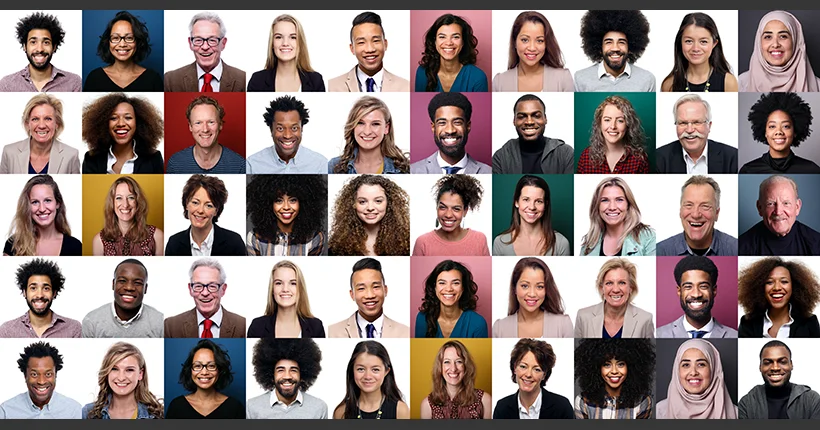
Diversity and inclusion in the workplace are hot topics, but what do they mean? And why should you care? We’ve put together this guide to help you better understand what diversity and inclusion encompasses — from how representation impacts culture to the benefits of diversity for businesses.
What is Diversity and Inclusion?
Diversity is “the combination of differences among individuals or groups” — referring to people of different ethnic, cultural, religious and social backgrounds, genders, and other defining identities working or living together. ‘Surface level diversity’ can be defined through visible characteristics, while ‘deep level diversity’ covers more subtle traits such as thought diversity, neurodiversity, and cognitive diversity.
Inclusion is “a process through which groups encounter or interact with each other.” You can think of ‘diversity’ as describing the ‘what’, and inclusion describing the ‘how’. When done well, the result is a sense of belonging across the organisation — where positive work cultures and high performance thrive.
How Does Diversity Affect Your Organisation?
Financial Benefits
Diversity can bring financial benefits to an organisation by increasing its appeal to a broader stakeholder base, improving customer satisfaction, and attracting better talent. When the potential of diversity is harnessed well, team performance generally increases due to the broader range of perspectives the team can tap into. Often when complex challenges are faced, teams with the most diversity come up with the best solutions.
Increased Creativity
Diverse groups tend to come up with more creative solutions, due to their experience working with different perspectives, backgrounds, and sensitivities. A McKinsey study found that 70% of “high-impact” companies were founded by people from two or more ethnic groups, as diversity creates a more tolerant and flexible mindset in which new ideas can thrive.
Improved Satisfaction
Diverse teams are more satisfied with their jobs than less diverse teams. This can be attributed to an increased sense of comfort or belonging in a group with a broader range of perspectives. The power of diversity goes beyond the workplace too — it can bring communities closer together and help them feel more connected.
Improved Employee Engagement
The most diverse workforces have the highest levels of employee engagement. Diverse teams can work exceptionally well together when they feel psychologically safe and able to contribute their unique knowledge and perspectives. Research also shows that teams with more diversity make better decisions, as they are better equipped to consider a wider range of thoughts and ideas.
To learn how to foster diversity in your organisation, register for our Window on Work Values (WoWV) Profile accreditation workshop.